

2026 Sustainable Book Printing: FSC, GRS & Eco-Certifications for European & American Publishers
Sustainable procurement has shifted from a marketing bonus to a baseline requirement for European and American publishing buyers. For children’s books, art books, hardcover coffee table books and educational titles, FSC, PEFC and related eco-certifications are no longer optional add-ons.
Driven by the EU Deforestation-free Products Regulation (EUDR), CSDDD and CSRD disclosure rules, publishers, independent presses and retail brands reject vague “green” claims. They require auditable, traceable third-party certification and full supply chain documentation.
For Chinese book printers exporting to Western markets, understanding these standards, calculating eco-costs and building compliance systems is the key to retaining existing clients, winning new RFQs and securing reasonable order premiums.
1. Sustainable Procurement Trends in European & American Publishing
Book printing is one of the paper sectors most directly impacted by forest-traceability regulations. Every component of a hardcover book — paper fibre, ink, glue, lamination and binding materials — falls under ESG audits.
Regulation-led due diligence, not just marketing
EUDR mandates that all paper-based goods entering the EU must prove no post-2020 deforestation and legal fibre sourcing. Brand holders carry the burden of proof. Non-compliance may lead to cargo detention, heavy fines, product recalls or market bans. In North America, the Lacey Act, Amazon sustainability programmes and procurement codes from Walmart and Target enforce similar controls.
Many buyers now ask for FSC CoC certificates and EUDR due diligence files before price and lead time.
Children’s and premium art books are the highest-demand segments
Picture books, children’s titles and high-end art books lead FSC demand. These brands target parents, schools and cultural audiences, and face high risks of greenwashing complaints. Without recognised third-party certification, “eco-friendly” claims are vulnerable to challenges from NGOs and regulators.
Combined eco-audit packages become standard
Mature buyers do not rely on one certificate alone. Their audit checklist usually combines:
· Fibre traceability (FSC / PEFC)
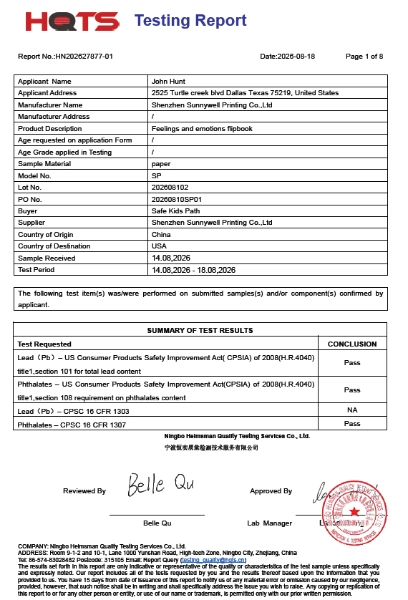
· Production eco-control (soy / low-VOC inks, plastic-free finishes, REACH, EN71 for kids’ products)
· Waste management, wastewater and energy records
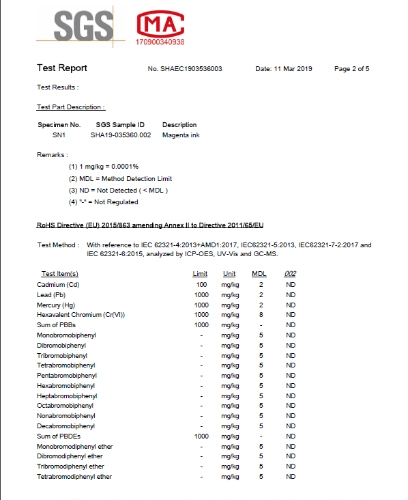
A printer with FSC but failing ink, glue or heavy metal tests will still lose the order.
Accountability flows down to the printer
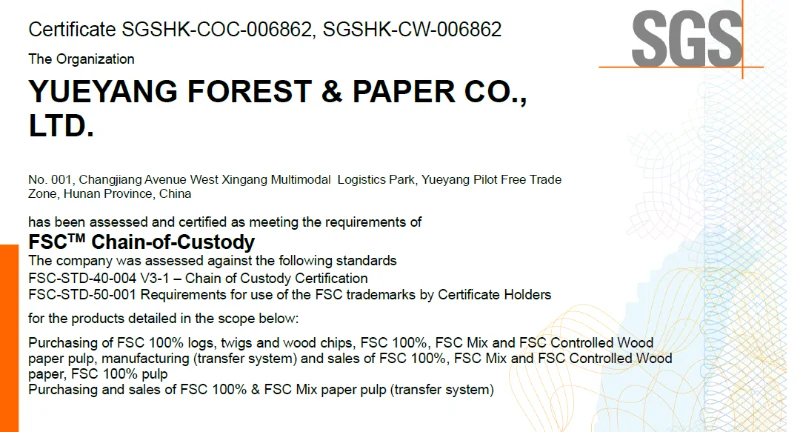
A paper mill’s FSC certificate is not enough. The printer itself must hold a valid FSC Chain of Custody (CoC) certificate. Segregated stock, batch logs, separate waste streams and controlled FSC labelling are mandatory before printing the FSC logo or issuing FSC declarations.
2. Common Certifications: FSC, PEFC, GRS and Supplementary Standards
Many printing buyers confuse certification scopes. Knowing which standard covers fibre source, recycled material or factory environmental management directly shapes your quotation and artwork approval.
FSC (Forest Stewardship Council) — #1 for publishing
FSC controls wood fibre origin. Printers need FSC CoC (Chain of Custody) certification, not forest management certification. The certificate can be verified online via the FSC registry and is widely accepted for EUDR due diligence.
Three FSC label types for book projects:
· FSC 100%: Fibre exclusively from FSC-certified well-managed forests. Used for premium art books, limited editions and luxury publications, highest price premium.
· FSC Mix: Contains ≥70% qualifying material (FSC-certified fibre + recycled fibre + controlled wood). Most popular for children’s books; balances compliance and cost.
· FSC Recycled: 100% post-consumer recycled fibre. Common for paperbacks, educational books and low-carbon communication titles.
Important note: FSC does not regulate ink, glue or VOC emissions. Chemical safety testing follows REACH, EN71 and other separate standards.
PEFC (Programme for the Endorsement of Forest Certification)
Also a forest CoC scheme. It is widely recognised in continental Europe, especially for Nordic, French and German forest sources. Many European publishers accept PEFC as an alternative to FSC. Difference: FSC has a unified global standard and stronger consumer brand recognition. PEFC is a mutual-recognition system for national forest standards. Top export printers often hold both FSC and PEFC to cover different buyer preferences.
GRS (Global Recycled Standard)
GRS is not a forest certification. It applies to recycled textiles, recycled PET and recycled synthetic materials, covering traceability, chemical restrictions and labour requirements. In book printing, GRS is only required when using recycled fabric book covers, recycled PET ribbons or synthetic composite binding materials. For recycled paper, FSC Recycled is the correct standard.
Supplementary certifications frequently requested by publishers
· ISO 14001: Environmental management system. A solid audit foundation, but cannot replace fibre traceability certificates.
· SGP (Sustainable Green Printing Partnership): Focuses on printing-factory operations, energy, chemicals and waste. Preferred by many North American brands.
· Blue Angel: German eco-label for paper products, with strict combined limits on paper, ink and emissions, popular for German publishers.
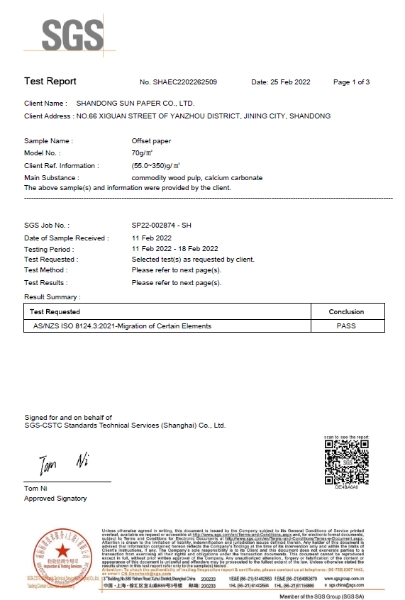
Quick rule: Choose FSC / PEFC for forest fibre traceability; FSC Recycled for recycled paper; GRS only for recycled synthetic binding accessories. Ink, heavy metal and migration tests are separate.
3. Cost Impact & Premium Potential of Eco Printing Solutions
Buyers consistently ask: How much extra does FSC and eco finishing cost? Eco-costs split into fixed compliance overhead and per-order material premiums. The achievable premium varies by certification grade, print run and factory maturity.
Cost breakdown
1. Fixed compliance overhead: FSC CoC audit, annual surveillance audit, staff training, ERP adjustment, segregated warehouse management. This cost is diluted as FSC order volume grows.
2. Material premium (book printing market reference range):
· FSC Mix paper: +5%–10% vs non-certified paper (standard for children’s books)
· FSC 100% paper: +10%–20% (high-end art & coffee table books)
· FSC Recycled paper: +3%–8%; sometimes price parity with conventional paper depending on waste-paper supply
· Eco process upgrades: soy / low-VOC ink, water-based varnish, plastic-free binding, glue reformulation: +2%–6%
3. Hidden operational cost: segregated production scheduling, batch logging, artwork label approval, pre-audit preparation. Poor workflow leads to cross-contamination, rework and audit failure.
Market trend: Paper premiums are gradually falling as more certified mills and printers enter the market. But the compliance threshold remains high. Without certificates, you are excluded from RFQs rather than winning via lower prices.
Realistic premium range for export book printing
· Regular children’s books / paperbacks (FSC Mix): acceptable premium 8%–15%. Most EU publishers accept this to avoid EUDR detention and ESG disclosure risks.
· Premium hardcover art books, coffee table books, limited editions (FSC 100% + full eco finishing): 15%–25%. Brands are willing to pay for marketing assets and sustainable storytelling.
· Recycled educational paperbacks (FSC Recycled): Lowest premium. This is mainly for order retention rather than high margin.
ROI logic
FSC is first an entry ticket, second a premium tool. The financial risk of missing large publisher RFQs, cargo hold-ups or brand reputational damage is far higher than certification cost.
Best quotation practice: offer two versions: standard (conventional paper) and sustainable (FSC + eco ink & finish), letting clients select.
Conclusion
Sustainable publishing in Europe and America has moved beyond greenwashing. FSC and related forest certifications are becoming infrastructure for cross-border book printing.
For printers, compliance is not just a cost burden. It filters low-margin price-only buyers, avoids fierce commodity competition and unlocks premium orders. Printers who can deliver FSC traceability, low-VOC eco finishing and complete due diligence documentation will keep winning steady contracts in children’s books, art books and premium hardcover publishing.